
A Deeper Look Into Commercial Appliance Services
The Importance of a Well-Functioning Kitchen
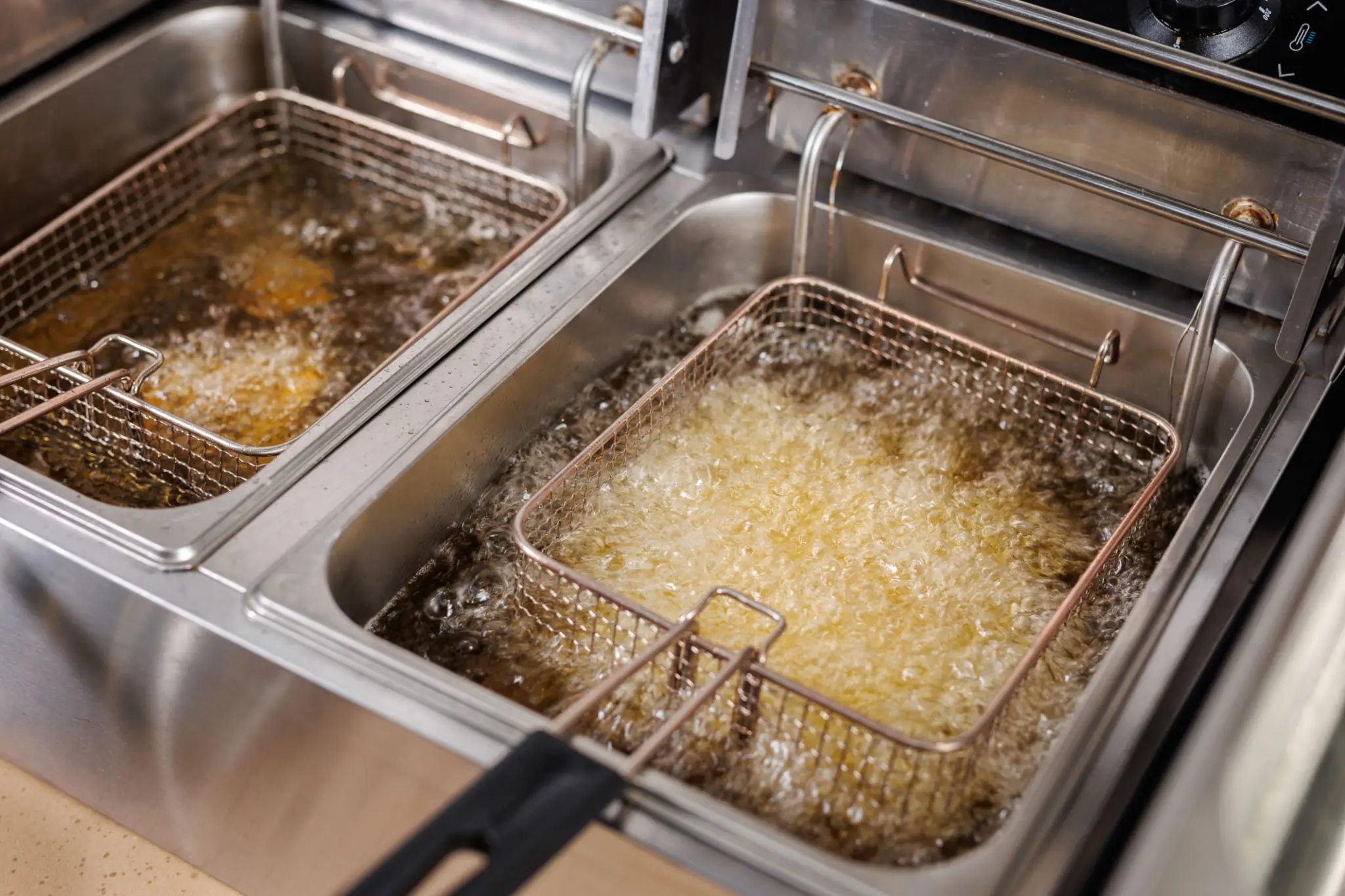
In a commercial setting, every piece of equipment is a critical component of a larger system. From the walk-in freezer preserving your inventory to the fryer cooking your signature dish, the performance of these machines directly impacts your product quality, staff efficiency, and bottom line. When one of these systems falters, it can create a ripple effect of problems that a business can ill afford.
Beyond the Quick Fix: The Value of Professional Expertise
While a temporary patch might seem like a quick solution, it often masks a larger, underlying issue. A professional technician brings a wealth of knowledge and experience to the table, allowing them to:
- Diagnose the Root Cause: They can pinpoint the actual problem, not just the symptom, which prevents recurring breakdowns.
- Ensure Safety and Compliance: Commercial equipment operates under strict health and safety codes. Technicians are trained to ensure repairs meet these standards, protecting your business from violations and potential hazards.
- Utilize Proper Tools and Parts: Professionals have access to the right tools and genuine parts, ensuring the repair is durable and the appliance’s warranty remains intact.
The Power of Preventative Maintenance
Think of preventative maintenance as an insurance policy for your equipment. Instead of waiting for a machine to break down, a scheduled checkup can identify and address minor issues before they escalate.
Benefits of a Proactive Approach
- Extends Equipment Lifespan: Regular service keeps your appliances in optimal condition, delaying the need for costly replacements.
- Improves Energy Efficiency: Clean coils, properly sealed gaskets, and calibrated thermostats mean your appliances work less to achieve the same result, leading to lower utility bills.
- Minimizes Downtime: By catching potential issues early, you can schedule repairs at a convenient time, avoiding unexpected interruptions to your business during peak hours.
What to Expect From a Service Call
During a maintenance visit, a technician will typically perform a thorough inspection, which may include:
- Cleaning and inspecting critical components like motors and fans.
- Checking and tightening electrical connections.
- Calibrating thermostats and other controls for accuracy.
- Looking for signs of wear and tear on belts, gaskets, and other parts.
Conclusion
The success of a commercial kitchen is intricately linked to the reliability of its equipment. By prioritizing professional and preventative maintenance, business owners are not just fixing a problem—they are investing in the long-term health and efficiency of their operation. A proactive approach to equipment care is a fundamental strategy for any business looking to avoid costly surprises and maintain a high standard of service.
For expert advice on your commercial equipment or to schedule a service, feel free to reach out.